
[:en]
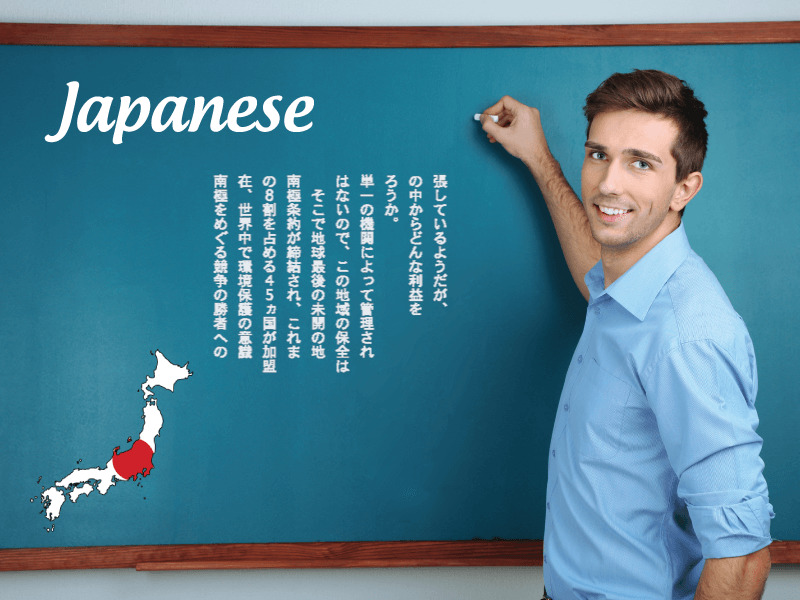
ITT – Japan has the world’s third-largest economy, trailing behind only the USA and China. As the result, the Japanese language is becoming more and more popular. To capture this opportunity, many individuals and business enterprises are starting learning Japanese.
Learning Japanese has some difficulties:
- Japanese has three sets of characters: Hiragana, Katakana and Kanji. Kanji has 3,000 words, including 1,500 – 1,900 common words and words are written differently from each other.
- Japanese pronunciation is not difficult. The importance in speaking Japanese is the intonation of words. A word can have different meanings if using different tones.
- Japanese word order is subject – object – verb and it is the alien-like sentence structure to most people. Moreover, there are many types of grammar that are forgettable or confusing if you do not review frequently.
Therefore, finding the appropriate Japanese learning method is necessary.
- Learn the standard Japanese phonetic alphabet and practice pronunciation every day.
- Practice speaking Japanese with daily communicative situations.
- Try not to translate in your head and start thinking directly in Japanese when communicating with other people.
- Build your Japanese vocabulary by learning and reviewing phrases and sentences, not individual words.
- Learn Japnese listening and speaking skills before focusing on grammar.
- Learn not only via reading books but also by watching Japanese TV shows, movies and listening to radio, etc.
In Japanese language courses, learners will be equipped with the following knowledge and skills:
- Learn 1,000 common words in 3 months to be able to listen, speak and write in Japanese.
- Learn the meanings and how to write 500 words from the Kanji set.
- Improve the judging ability in reading.
- Practice listening skills via communications with native speaker teacher.
- Provide knowledge about people, geography and culture of Japan.
In Japanese language courses for international program, learners will be equipped with the following knowledge and skills:
- Learn topic vocabulary and basic grammar.
- Develop important skills such as reading, writing, analyzing and evaluating texts.
- Study literary and non-literary texts such as advertisements, movies, correspondence and news reports, etc.
- Evaluate the function of culture, context and style in the process of making texts.
Now, Intertu Education is enrolling potential students for Japanese courses. For inquiries and registration, please contact us directly or via email or hotline.
[:vi]ITT – Nhật Bản đang là nền kinh tế lớn thứ 3 thế giới sau Mỹ và Trung Quốc. Theo đó, tiếng Nhật ngày càng khẳng định vị thế trong xã hội. Để nắm bắt xu hướng, nhiều cá nhân và doanh nghiệp đã quan tâm đến việc học ngôn ngữ này.
Khi học tiếng Nhật, học viên thường gặp một số khó khăn:
- Tiếng Nhật có tới 3 bộ chữ: Hiragana, Katakana và Kanji. Riêng Kanji tới 3.000 chữ, 1.500 – 1.900 chữ thông dụng và mỗi chữ lại có cách viết khác nhau.
- Phát âm tiếng Nhật không khó nhưng phải chú ý đến âm điệu vì một số từ viết giống nhau nhưng chỉ hơi thay đổi ngữ điệu là thành từ khác.
- Ngữ pháp tiếng Nhật theo quy tắc ngược chủ ngữ – vị ngữ – động từ. Ngoài ra có rất nhiều loại mẫu ngữ pháp khác nếu không thường xuyên sử dụng thì sẽ mau quên hoặc dễ nhầm lẫn.
Vì vậy, việc tìm phương pháp học tiếng Nhật thích hợp là cần thiết:
- Luyện phát âm chuẩn và nhớ tình huống giao tiếp tiếng Nhật.
- Học phiên âm và luyện phát âm mỗi ngày để thành phản xạ.
- Cố gắng tư duy bằng tiếng Nhật khi giao tiếp với người bản xứ.
- Luôn học và ôn theo nhóm từ, không phải từng từ riêng lẻ.
- Học kỹ năng nghe nói đầu tiên, sau đó mới chú trọng ngữ pháp.
- Sử dụng các tài liệu thực tế như chương trình TV, phim, radio… không nên chỉ học qua sách.
Đến với khóa học tiếng Nhật, học viên sẽ được cung cấp các kiến thức và kỹ năng như sau:
- 1.000 từ vựng trong 3 tháng để có thể nghe, nói và viết tiếng Nhật.
- Ý nghĩa và cách viết của hơn 500 từ Kanji.
- Khả năng phán đoán và kỹ năng cân đối thời gian khi đọc.
- Luyện kỹ năng nghe qua giao tiếp với giáo viên bản ngữ.
- Cung cấp kiến thức về con người, địa lý và văn hóa Nhật Bản.
Đến với khóa học tiếng Nhật chương trình quốc tế, học viên sẽ được cung cấp các kiến thức và kỹ năng như sau:
- Học từ vựng theo chủ đề và ngữ pháp cơ bản.
- Phát triển cùng với các kỹ năng quan trọng đọc viết, khả năng phân tích và đánh giá văn bản.
- Học văn bản văn học và không phải văn học như quảng cáo, phim ảnh, thư từ, báo cáo tin tức…
- Đánh giá được chức năng của các yếu tố như văn hóa, bối cảnh và phong cách trong quá trình tạo ra ý nghĩa của những văn bản đó.
Intertu Education hiện đang chiêu sinh khóa học tiếng Nhật. Mọi thắc mắc xin liên hệ trực tiếp, qua email hoặc hotline để được tư vấn miễn phí.
[:]
![[:en]Japanese[:vi]Tiếng Nhật[:]](https://intertu.edu.vn/wp-content/uploads/2016/01/tieng-nhat.jpg)
![[:en]Chinese[:vi]Tiếng Hoa [:]](https://intertu.edu.vn/wp-content/uploads/2016/01/tieng-hoa-750x422.jpg)
![[:en]Korean[:vi]Tiếng Hàn[:]](https://intertu.edu.vn/wp-content/uploads/2016/01/tieng-han-750x422.jpg)